

In 2025, AI, CTV, and DOOH converged into a unified media ecosystem. Building on that momentum, 2026 moves omnichannel advertising from simply being everywhere to being impactful everywhere. Consumers now move seamlessly across devices and physical spaces, buying 1.7× more often and spending 9% more per transaction (Source: McKinsey & Company, Forecasting the Future of Stores). Brands succeed by connecting channels, leveraging data, and delivering experiences that feel intelligent and intentional.
Key Omnichannel Trends for 2026
1. Omnichannel 2.0
In 2026, cross-screen touchpoints guide the consumer journey as mobile, CTV, DOOH, and in-store media work in sync. Digital screens adjust content in real time based on location, weather, or audience behaviour. Products seen on TV can reappear on mobile and social platforms, reinforcing brand narratives. Hyperlocal screens and mobile retargeting drive footfall and neighbourhood-level engagement, while coordinated cross-channel messaging boosts conversions efficiently.
2. AI-Powered Personalisation
Data-driven omnichannel personalisation ensures every interaction is hyper-relevant and actionable. Location-based retargeting boosts engagement by 18–22% (Source: Local Search Association), while AR try-ons, short-form videos, and haptic experiences increase engagement by 34% (Source: Snap Inc.). Unified first-party data platforms integrate DOOH, mobile, and in-store interactions to create a Cognitive Customer Experience (CCX) that is intelligent, adaptive, and conversion-driven, turning every touchpoint into an opportunity to guide, delight, and convert.
3. Retail Media Networks (RMNs)
RMNs allow brands to reach shoppers at the exact moment they’re ready to buy, online or in-store, using first-party retailer data. Campaigns run seamlessly across CTV, mobile, and in-store screens, while advanced measurement models reveal what truly drives purchases. The global RMN market is projected to reach $57 billion by 2030 (Source: Grand View Research), making it a pivotal growth area for omnichannel strategy.
4. OEM Media Networks
Connected devices add a new layer of precision to omnichannel marketing. OS-level data enables AI-driven personalisation that can boost conversion rates by up to 25% (Source: Gartner). Brands can deliver coherent narratives across CTV, mobile, and in-car screens, while hyperlocal retargeting turns devices into contextually aware ad platforms. OEM Media Networks bridge digital and physical touchpoints, creating richer, more personalised experiences.
5. Sustainability as a Core Strategy
Sustainability in DOOH and media planning is now central to both media and creative strategy. Energy-efficient LED and OLED screens consume up to 50% less power, and some outdoor installations run entirely on solar energy. Temporary displays and pop-ups are designed for recyclability, reflecting that 72% of Gen Z prefer brands actively demonstrating eco-conscious practices (Source: IBM Institute for Business Value). Sustainable advertising reduces environmental impact while strengthening brand affinity and long-term loyalty.
The Cognitive Customer Experience (CCX) Ecosystem
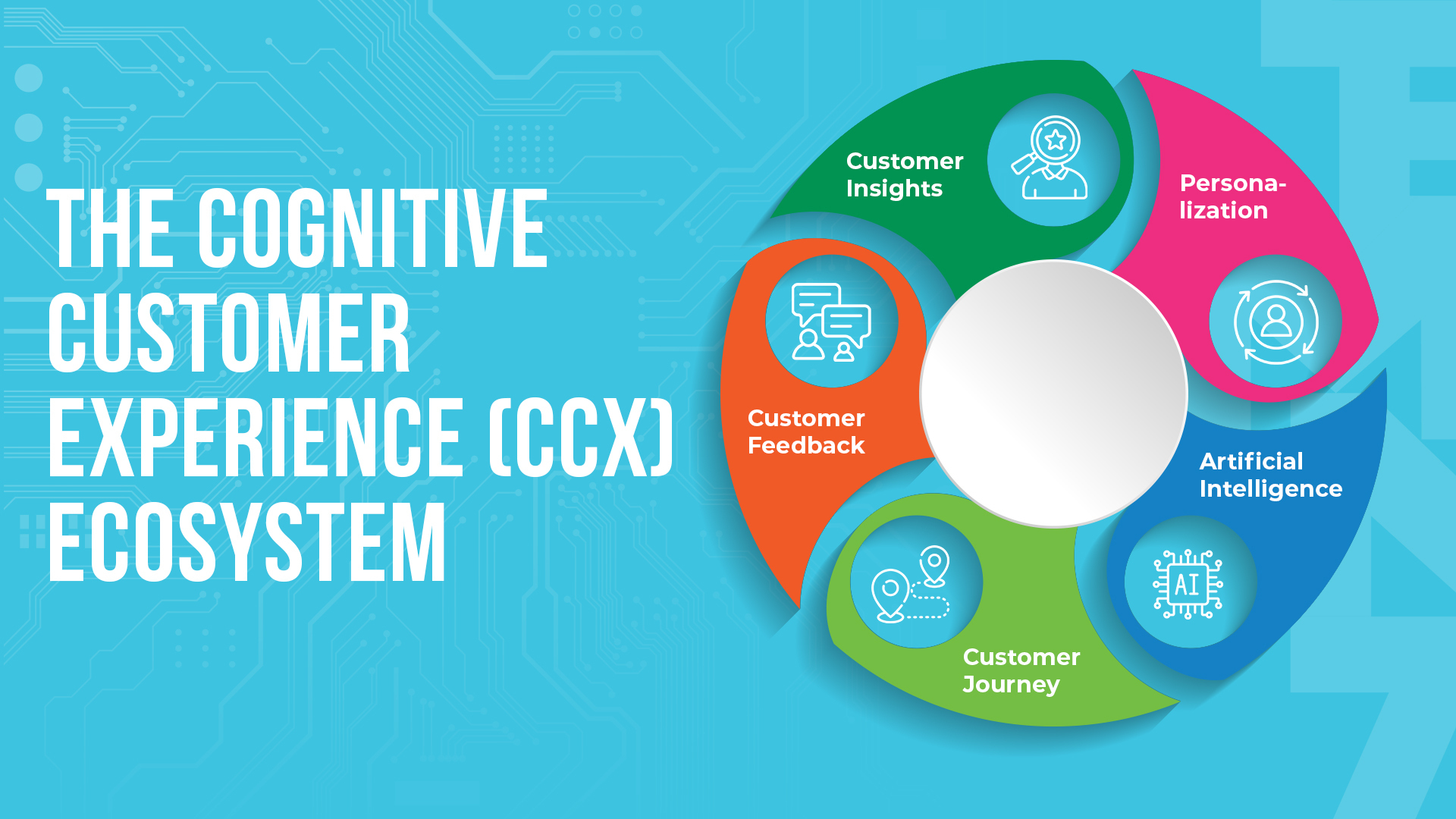
Omnichannel success in 2026 relies on:
- Capturing attention in crowded environments
- Anticipating needs across digital and physical touchpoints
- Driving measurable conversions and long-term loyalty
Brands that master Omnichannel 2.0, sustainability, RMNs, OEM Media Networks, and AI personalisation will not just reach consumers; they’ll shape the future of retail and media. Lemma’s expertise in omnichannel advertising helps brands connect channels, amplify reach, and convert interactions into tangible results, making every media dollar count.
FAQs:
Q: What are the top omnichannel advertising trends in 2026?
A: Omnichannel 2.0, AI personalization, RMNs, OEM Media Networks, and sustainable DOOH are driving smarter, coordinated, and conversion-focused campaigns.
Q: How does AI personalization improve customer engagement?
A: AI personalization tailors ads across mobile, CTV, DOOH, and in-store touchpoints, boosting engagement by up to 34%.
Q: What is Omnichannel 2.0 and why does it matter?
A: Omnichannel 2.0 coordinates all screens and touchpoints in real time, creating seamless journeys that improve recall, footfall, and conversions.
Q: How are RMNs and OEM Media Networks shaping omnichannel campaigns?
A: RMNs and OEM Media Networks enable precise, hyperlocal targeting across digital and physical channels, bridging the consumer journey efficiently.
Q: Why is sustainability important in DOOH advertising?
A: Sustainable DOOH with energy-efficient or recyclable displays reduces environmental impact and builds loyalty with eco-conscious consumers.